
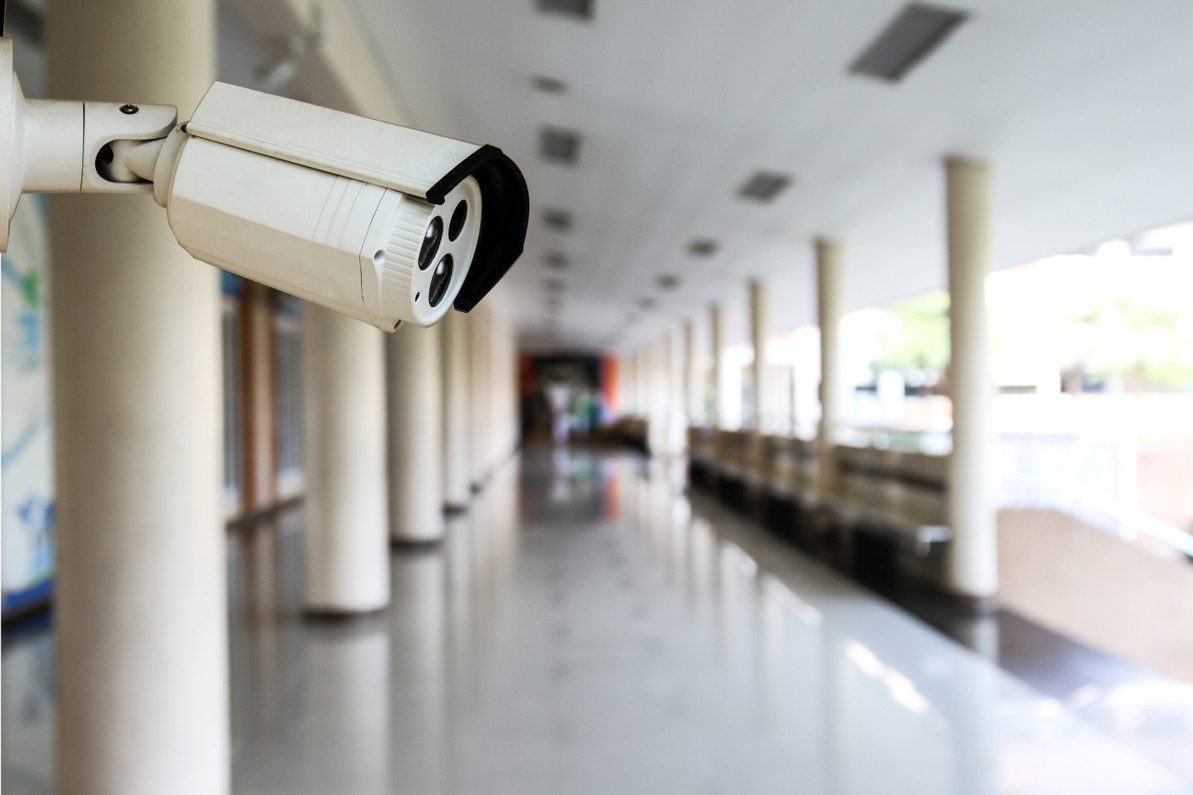
Best Security Cameras for Elementary Schools | K-5 School Security Camera Guide | Affinitech Store
Best Security Cameras for Elementary Schools: Complete K-5 School Security Guide
Choosing the best security cameras for elementary schools requires more than simply installing cameras throughout a building. K-5 schools have unique security challenges involving young students, visitor management, classroom safety, emergency response, and creating a secure learning environment while protecting student privacy.
This comprehensive guide explains how elementary schools can select the right school surveillance cameras, AI security solutions, and campus surveillance systems to improve safety, visibility, and emergency preparedness.
Introduction: Why Elementary Schools Need Specialized Security Cameras
Elementary schools require security solutions designed specifically around younger students, frequent visitor traffic, staff safety, and controlled access. Unlike commercial facilities, schools must balance security requirements with creating a welcoming educational environment.
Modern elementary school security cameras provide administrators and security teams with real-time visibility into entrances, hallways, playgrounds, parking areas, and critical areas of the campus.
When combined with access control, visitor management systems, and video management systems (VMS), school surveillance cameras create a complete security ecosystem.
Related Resources
- School Security Cameras: Complete K-12 & Higher Education Guide
- School Access Control Systems Guide
- Video Management Systems (VMS) for Schools & Universities
School Security Camera Statistics
Understanding current school security trends helps districts make informed decisions when designing campus surveillance systems.
- The National Center for Education Statistics (NCES) reports that schools continue to implement multiple security measures including controlled access, emergency procedures, and surveillance technologies.
- SchoolSafety.gov recommends comprehensive approaches combining prevention, protection, mitigation, response, and recovery strategies.
- The Cybersecurity and Infrastructure Security Agency (CISA) identifies physical security technologies, including video surveillance, as important components of critical infrastructure protection.
- The National Institute of Justice (NIJ) has studied the role of security technologies in improving safety and supporting investigations.
Sources:
National Center for Education Statistics: https://nces.ed.gov
SchoolSafety.gov: https://www.schoolsafety.gov
Cybersecurity and Infrastructure Security Agency: https://www.cisa.gov
National Institute of Justice: https://nij.ojp.gov
What Are Elementary School Security Cameras?
Elementary school security cameras are video surveillance devices designed specifically to monitor and protect K-5 educational environments. These systems allow administrators, security personnel, and authorized staff to view live activity, review recorded events, and respond quickly to safety concerns.
Unlike traditional commercial surveillance systems, school security cameras must address the unique needs of educational environments including student privacy, visitor management, emergency response, vandalism prevention, and campus-wide visibility.
What Makes Elementary School Security Different?
Elementary schools have unique security requirements because they serve younger students who require additional supervision and protection. Security solutions must provide safety without creating an intimidating environment.
| Elementary School Security Challenge | How Security Cameras Help |
|---|---|
| High Visitor Traffic | Entrance cameras provide visibility into visitor activity and support visitor management procedures. |
| Student Safety | Hallway, classroom, and playground cameras help staff monitor activity and respond to incidents. |
| Limited Student Awareness | Video monitoring provides additional supervision in areas where younger students may need assistance. |
| Vandalism Prevention | Visible surveillance discourages damage to school property. |
| Emergency Response | Security teams can quickly assess situations during emergencies. |
Where Should Security Cameras Be Installed in Elementary Schools?
The placement of school surveillance cameras is one of the most important factors affecting system effectiveness. Proper placement improves visibility, reduces blind spots, and ensures critical areas are monitored.
1. School Entrances and Main Doors
School entrance security cameras are among the most important cameras in an elementary school. These cameras help monitor visitors, deliveries, staff entry, and emergency situations. Recommended features:
- High-resolution video for identification
- Wide dynamic range for changing lighting conditions
- Low-light performance
- Integration with access control systems
2. Hallways and Common Areas
School hallway cameras provide visibility into student movement, transitions between classrooms, and high-traffic areas. Recommended locations include:
- Main corridors
- Stairways
- Cafeterias
- Libraries
- Gym entrances
3. Classrooms
Classroom security cameras can provide additional visibility for safety incidents, emergencies, and investigations. Schools should establish clear policies regarding classroom surveillance, privacy, access permissions, and retention periods.
4. Playgrounds and Outdoor Areas
Outdoor areas require cameras designed to withstand weather exposure and changing lighting conditions. Recommended features include:
- Weather-resistant housings
- Vandal-resistant construction
- Night vision capability
- Wide-angle coverage
5. Parking Lots and Bus Loading Areas
School parking lot surveillance helps monitor vehicle activity, parent pickup areas, buses, staff parking, and after-hours activity.
Indoor vs Outdoor Security Cameras for Elementary Schools
| Feature | Indoor Cameras | Outdoor Cameras |
|---|---|---|
| Primary Purpose | Monitor classrooms, hallways, offices, and common areas | Monitor entrances, parking lots, playgrounds, and perimeter areas |
| Environmental Protection | Standard protection from indoor conditions | Weatherproof and vandal resistant housing required |
| Recommended Housing | Dome cameras and compact cameras | Bullet cameras, dome cameras, PTZ cameras, multi-sensor cameras |
| Important Features | Wide viewing angles, discreet design, clear identification | IR night vision, weather protection, vandal resistance |
Best Security Camera Features for Elementary Schools
The best security cameras for elementary schools should provide reliable performance, cybersecurity protection, and features that support school safety objectives.
High Resolution Video
Higher resolution cameras provide clearer images for incident review and identification purposes. Schools should evaluate resolution requirements based on camera placement and viewing distance.
AI Security Cameras for Schools
Artificial intelligence has become an important advancement in modern school surveillance systems. AI security cameras for schools can help security teams identify events faster and reduce the burden of manually monitoring hundreds of camera feeds.
Common AI features include:
- Motion detection
- People counting
- Line crossing alerts
- Object detection
- Unusual activity detection
- License plate recognition for parking areas
Vandal Resistant School Cameras
Elementary schools often require vandal resistant school cameras because cameras may be installed in areas accessible to students and visitors. Important features include:
- IK10 impact protection
- Tamper alerts
- Durable metal housings
- Protected cable connections
NDAA Compliant School Cameras
Many schools, government-funded institutions, and organizations receiving federal funding require NDAA compliant school cameras. NDAA compliance helps organizations address procurement requirements and cybersecurity concerns when selecting surveillance equipment.
Request a School Security Assessment
Every elementary school has different security challenges. A professional assessment can help identify camera locations, technology requirements, coverage gaps, and opportunities to improve campus safety.
Evaluate your school's security needs with an education security specialist.
Request Your School Security AssessmentAI Security Cameras for Elementary Schools: Improving Safety Through Intelligence
Artificial intelligence is transforming how schools use surveillance technology. Traditional security cameras required staff members to actively watch video feeds. Modern AI security cameras for schools can analyze activity automatically and provide alerts when specific events occur.
For elementary schools, AI analytics can improve situational awareness while allowing security personnel and administrators to focus on response rather than constant monitoring.
Common AI Analytics Used in Elementary Schools
| AI Feature | School Security Application |
|---|---|
| Motion Detection | Identifies movement in restricted areas or after-hours activity. |
| People Detection | Helps identify human activity while reducing false alerts from environmental movement. |
| Line Crossing Detection | Creates alerts when a person enters restricted areas such as playground boundaries or staff-only locations. |
| Object Detection | Identifies abandoned objects or unusual activity requiring review. |
| License Plate Recognition | Supports parking lot monitoring and vehicle investigations. |
| Occupancy Analytics | Helps understand traffic patterns in cafeterias, entrances, and common areas. |
Privacy and FERPA Considerations for Elementary School Cameras
When implementing school surveillance cameras, districts must balance security goals with student privacy responsibilities.
The Family Educational Rights and Privacy Act (FERPA) protects the privacy of student education records. Schools should establish policies governing how video footage is accessed, stored, shared, and retained.
Recommended School Video Privacy Practices
- Limit video access to authorized personnel only
- Use role-based permissions
- Maintain documented retention policies
- Secure video storage systems against unauthorized access
- Train administrators on appropriate video usage
- Follow district and state privacy requirements
Schools should consult legal counsel and district policies when developing surveillance procedures.
NDAA Compliance Explained for School Security Cameras
NDAA compliant school cameras are surveillance devices that meet requirements associated with the National Defense Authorization Act.
Many educational institutions consider NDAA compliance when purchasing security technology because federal funding requirements and cybersecurity concerns may influence approved equipment selections.
Benefits of Selecting NDAA Compliant Cameras
- Supports government procurement requirements
- Helps address cybersecurity concerns
- Encourages responsible manufacturer selection
- Provides long-term infrastructure planning advantages
Cybersecurity Best Practices for Elementary School Surveillance Systems
Because modern security cameras operate on network infrastructure, cybersecurity should be a critical part of every school surveillance project.
The Cybersecurity and Infrastructure Security Agency (CISA) recommends organizations implement layered cybersecurity protections for connected technologies.
School Camera Cybersecurity Checklist
- Change default passwords immediately
- Use strong authentication methods
- Keep firmware updated
- Segment security devices from student networks when appropriate
- Monitor system access logs
- Use encrypted connections
- Maintain cybersecurity policies
School Video Storage Requirements
Determining storage requirements is an important part of designing elementary school security camera systems. Storage needs depend on:
- Number of cameras
- Camera resolution
- Frame rate
- Recording schedule
- Retention requirements
- Video analytics settings
Typical Storage Considerations
| Factor | Impact on Storage |
|---|---|
| Higher Resolution | Creates larger video files and requires more storage capacity. |
| Longer Retention Periods | Requires additional storage infrastructure. |
| Continuous Recording | Uses more storage than event-based recording. |
| AI Analytics | May improve search efficiency and reduce review time. |
Cloud vs. On-Premises Video Surveillance for Elementary Schools
Schools increasingly evaluate whether a cloud-based or on-premises video management system best fits their operational needs.
| Feature | Cloud Video Surveillance | On-Premises VMS |
|---|---|---|
| Infrastructure | Hosted and managed through cloud services | Managed using local servers and storage |
| Remote Access | Easy access from authorized locations | Usually requires local network access or VPN |
| Scalability | Excellent for growing districts | Requires additional hardware planning |
| Maintenance | Reduced local maintenance requirements | IT team manages updates and hardware |
| Control | Vendor-managed environment | Maximum local control |
Budget Planning for Elementary School Security Cameras
The cost of an elementary school surveillance system depends on several factors including campus size, camera quantity, infrastructure, storage, installation requirements, and integration needs.
Major Budget Considerations
- Camera hardware
- Network infrastructure
- Video storage
- Installation labor
- Licensing
- Video management software
- Cybersecurity maintenance
Common Mistakes Schools Make When Installing Security Cameras
| Mistake | Better Approach |
|---|---|
| Installing cameras without a security assessment | Perform a campus vulnerability review before selecting equipment. |
| Choosing cameras based only on price | Evaluate image quality, reliability, cybersecurity, and lifecycle costs. |
| Ignoring storage planning | Calculate retention requirements before deployment. |
| Not planning future expansion | Select scalable systems that support future growth. |
| Failing to integrate systems | Connect cameras with access control, visitor management, and emergency systems. |
Recommended Security Camera Solutions for Elementary Schools
Affinitech Store recommends selecting security technology based on the school's environment, coverage requirements, and operational goals.
Recommended Camera Categories
| Camera Type | Recommended Application |
|---|---|
| Indoor Dome Cameras | Classrooms, hallways, offices, cafeterias |
| Vandal Resistant Dome Cameras | High-traffic areas and student-accessible locations |
| Outdoor Bullet Cameras | Parking lots, entrances, playgrounds, perimeter areas |
| Panoramic Cameras | Large spaces requiring wide coverage |
| AI-Enabled Cameras | Advanced analytics and proactive monitoring |
| Video Management Systems (VMS) | Centralized recording, investigation, and monitoring |
Related Security Resources
- Complete Guide to School Security Cameras
- Video Management Systems (VMS) for Schools & Universities
- School Access Control Systems Guide
- AI Security Cameras Guide
- School Parking Lot Surveillance Guide
Contact an Education Security Specialist
Every elementary school has different security challenges. Our specialists can help evaluate camera placement, technology options, storage requirements, and complete campus surveillance solutions.
Contact an Education Security SpecialistBest Security Cameras for Elementary Schools: Quick Answer Summary
The best security cameras for elementary schools are systems that combine high-resolution video, AI analytics, vandal-resistant hardware, cybersecurity protections, and integration with other school safety technologies.
Most elementary schools benefit from a layered security approach using entrance cameras, hallway cameras, classroom cameras where appropriate, outdoor surveillance, video management systems (VMS), and access control integration.
Elementary School Security Camera Buying Guide
Selecting the right surveillance system requires evaluating security goals, campus layout, technology requirements, and long-term operational needs.
Step-by-Step Elementary School Camera Selection Process
- Conduct a Campus Security Assessment
Identify vulnerable areas including entrances, playgrounds, parking areas, classrooms, and perimeter locations.
- Determine Camera Coverage Requirements
Define which areas require identification-quality video, monitoring, or general awareness coverage.
- Select Appropriate Camera Types
Choose dome cameras, bullet cameras, PTZ cameras, panoramic cameras, or AI-enabled cameras based on location requirements.
- Evaluate Storage Requirements
Determine recording retention requirements and whether cloud or on-premises storage is the best fit.
- Choose a Video Management System
A VMS provides centralized monitoring, investigation tools, user permissions, and system management.
- Plan for Future Expansion
Select solutions that allow additional cameras, buildings, and technologies to be added later.
Featured Security Camera Solutions for Elementary Schools
Affinitech Store helps educational organizations select security technology based on campus requirements, operational goals, and compliance needs.
| Solution Category | Best Application | Key Benefits |
|---|---|---|
| Indoor Dome Cameras | Classrooms, hallways, offices, cafeterias | Discreet design, wide coverage, easy installation |
| Outdoor Bullet Cameras | Parking lots, entrances, playgrounds | Long-range viewing, weather protection, perimeter monitoring |
| Vandal Resistant Cameras | High-traffic student areas | Impact protection, tamper resistance, durability |
| AI Security Cameras | Advanced threat detection and analytics | Automated alerts, improved investigation speed |
| Cloud Video Surveillance | Multi-school districts and remote management | Scalability, simplified management, remote access |
| Video Management Systems (VMS) | Centralized security operations | Recording management, search, permissions, integrations |
Request a School Security Assessment
A professional security assessment helps schools identify vulnerabilities, determine camera placement, improve emergency response, and develop a scalable security strategy.
School Security Assessment Request Form
Frequently Asked Questions About Elementary School Security Cameras
1. What are the best security cameras for elementary schools?
The best security cameras for elementary schools combine high-resolution video, reliable performance, AI analytics, cybersecurity protections, and integration with other campus security systems.
2. Where should elementary school cameras be installed?
Common locations include entrances, hallways, offices, playgrounds, parking lots, bus loading zones, and other high-traffic areas.
3. Are classroom security cameras recommended?
Classroom cameras may be appropriate depending on district policies, privacy requirements, and security objectives. Schools should establish clear guidelines regarding access and retention.
4. What are AI security cameras for schools?
AI security cameras use analytics technology to identify activity patterns, detect events, and provide automated alerts.
5. Are NDAA compliant cameras required for schools?
Requirements vary by organization and funding source, but many schools choose NDAA compliant cameras to support cybersecurity and procurement goals.
6. How long should schools store camera footage?
Retention periods vary depending on district policies, legal requirements, storage capacity, and operational needs.
7. What is the difference between cloud and on-premise school surveillance?
Cloud systems provide remote management and scalability, while on-premise systems provide local infrastructure control.
8. Can school cameras integrate with access control systems?
Yes. Modern security platforms can integrate cameras with door access systems, visitor management, and emergency response solutions.
9. What type of camera is best for school entrances?
Entrance cameras should provide clear identification, wide dynamic range, strong low-light performance, and integration capabilities.
10. Are vandal resistant cameras necessary for elementary schools?
Many schools use vandal resistant cameras in locations accessible to students and visitors because they provide additional durability.
11. How much do elementary school security cameras cost?
Costs vary depending on camera quantity, infrastructure, storage, installation requirements, and system features.
12. What is a school VMS?
A school VMS is software used to manage, record, search, and analyze video from security cameras across a campus.
13. Can parents access school security footage?
Access policies vary by district and must follow privacy regulations and school policies.
14. Do schools need cybersecurity protection for cameras?
Yes. Network-connected cameras should be protected with strong passwords, updates, secure configurations, and access controls.
15. How often should school security systems be reviewed?
Schools should regularly evaluate camera coverage, cybersecurity settings, technology performance, and changing security needs.
Related School Security Resources
- Complete School Security Cameras Guide
- School Access Control Systems Guide
- Video Management Systems for Schools
- Visitor Management Systems for Schools
- School Lockdown Systems Guide
- Cloud Security Solutions Guide
Contact an Education Security Specialist
Protecting elementary students requires a security strategy designed specifically for education environments. Affinitech Store can help schools evaluate security cameras, video management systems, access control, and integrated campus protection solutions.
Contact an Education Security Specialist
Recent Posts
-
Elementary School Classroom Surveillance: Benefits, Privacy Considerations & Best Practices | Affinitech Store
Few school security decisions raise as many questions as placing cameras inside elementary classroo … -
Best Lockdown Solutions for Elementary Campuses: Complete K-5 School Lockdown Guide | Affinitech Store
When an emergency happens at an elementary school, the first minutes matter most. Young students dep … -

Hybrid VMS for School Districts: Complete Guide to Cloud & On-Prem Video Management | Affinitech Store
School districts rarely get to design a surveillance system from a blank page. Most are managing a m … -
Best Security Cameras for Middle Schools | School Security Camera Guide
Best Security Cameras for Middle Schools: Complete Middle School Security Camera Guide Choosing the …